
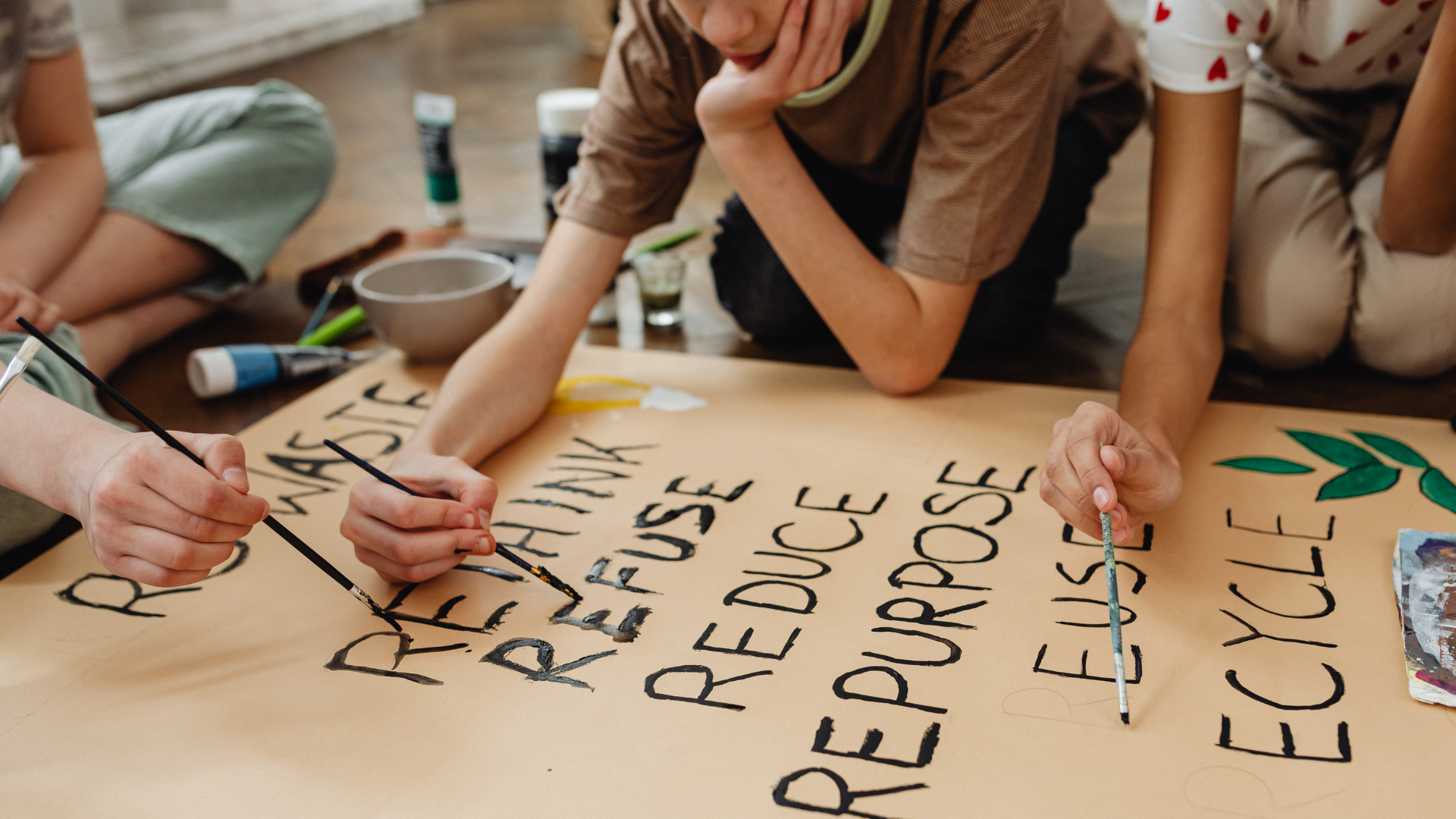
Turn sustainability goals into practical action.
MALVA turns Sustainable Living into practical results.
-
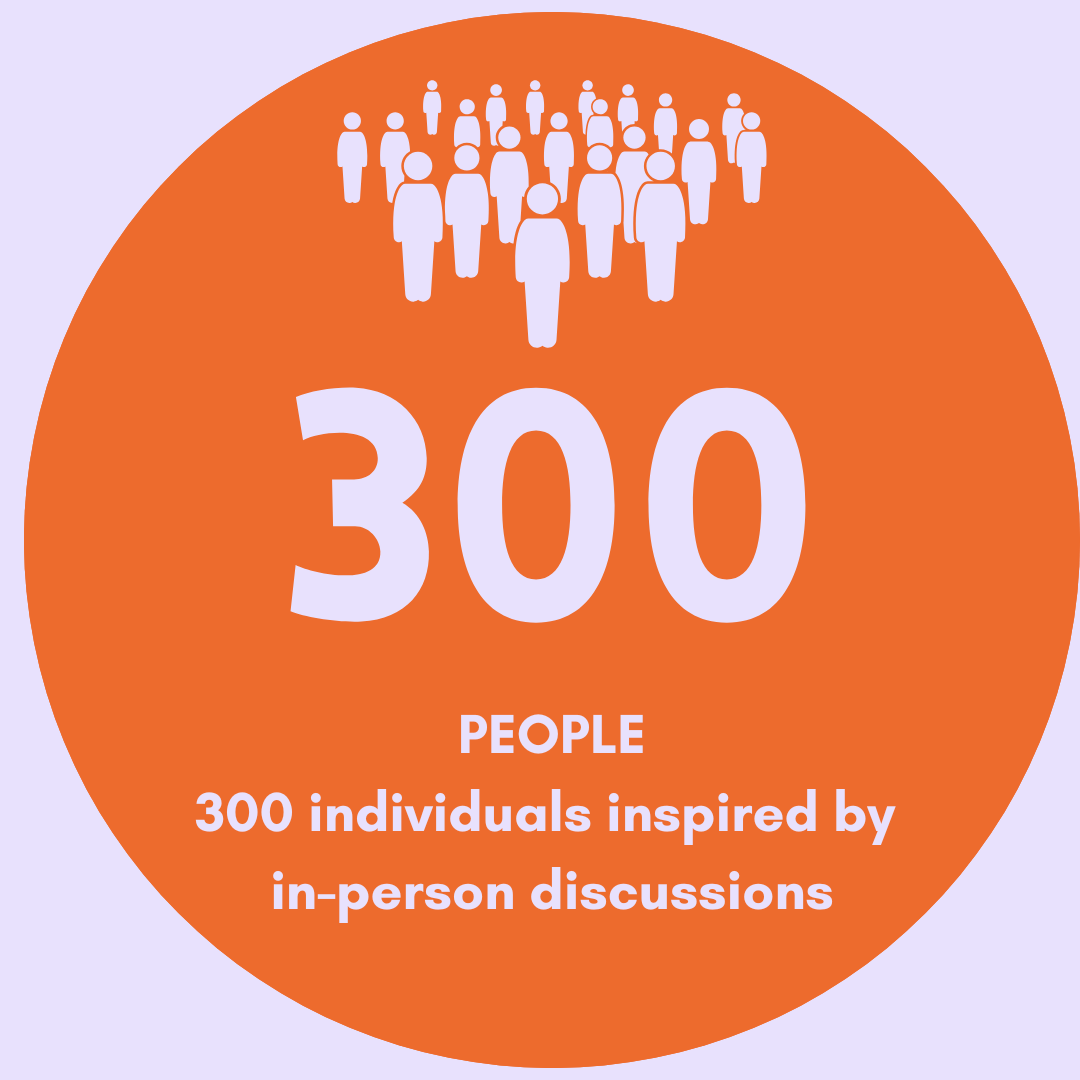
PEOPLE
Active participation empowers communities.
-
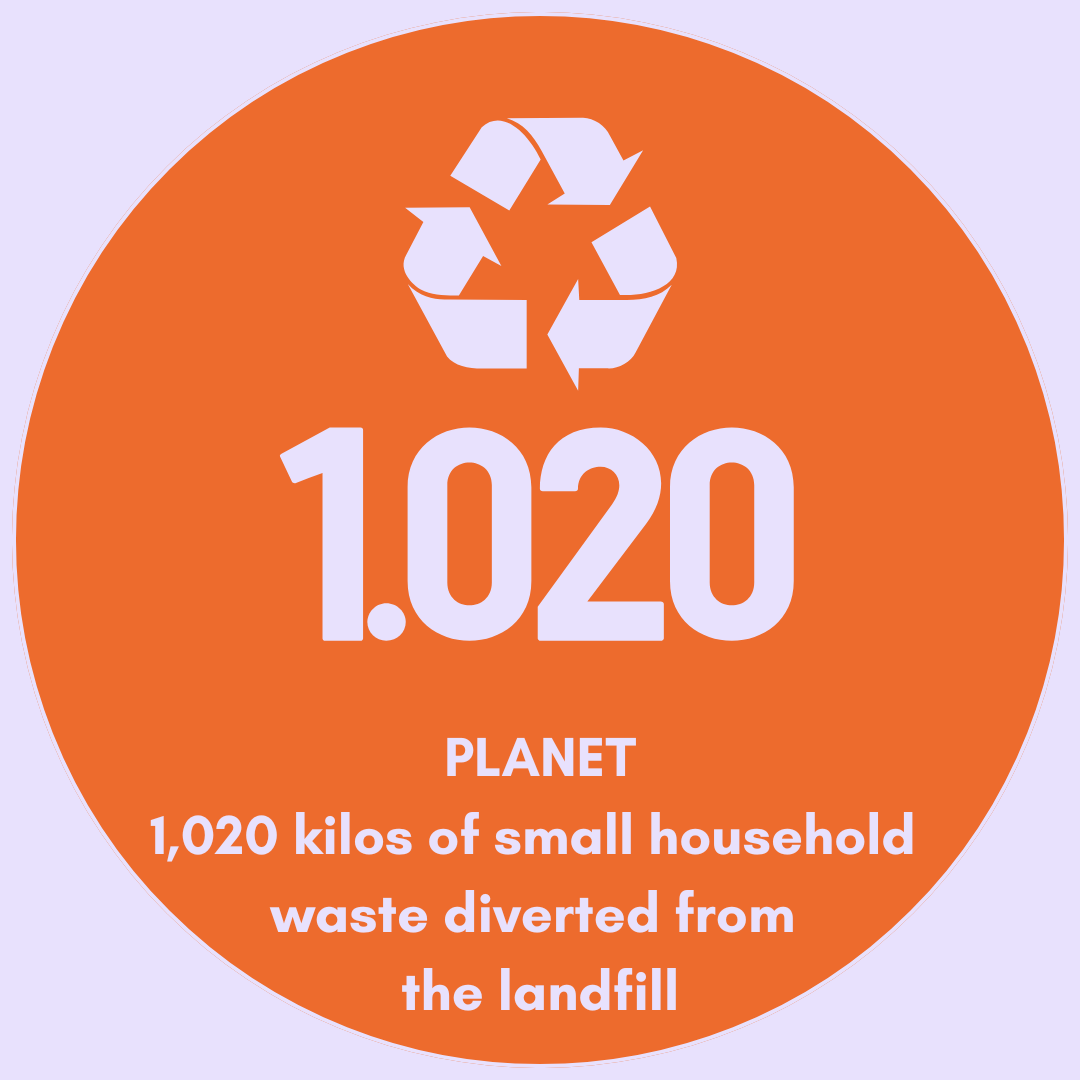
PLANET
Let’s reduces environmental degradation.
-
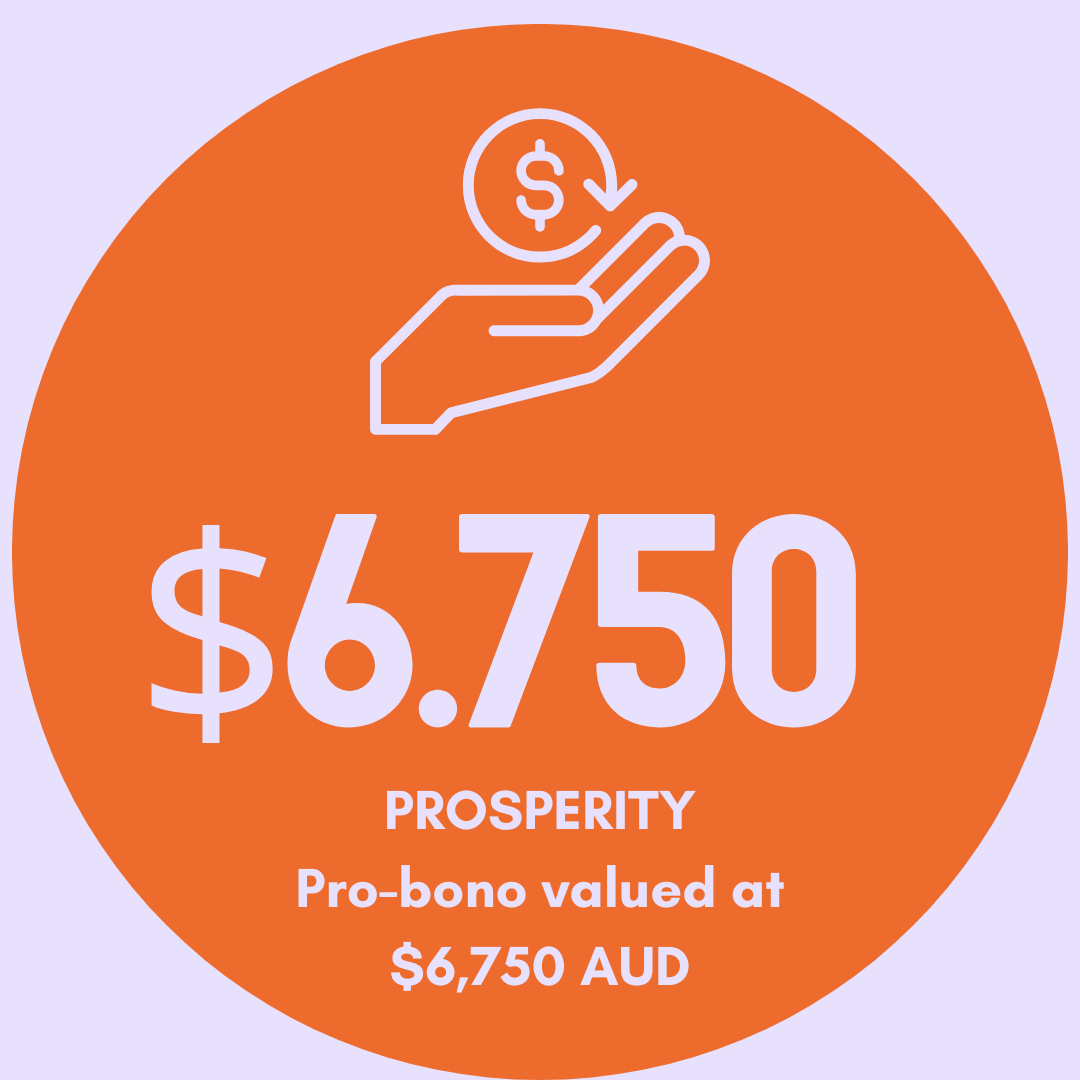
PROSPERITY
Social purpose with an economic value
MALVA helps organisations design and deliver projects that empower communities, reduce waste and create measurable impact.
-

Sustainable Living
Plan with purpose.
-

Community Engagement
Bring people into the solution.
-
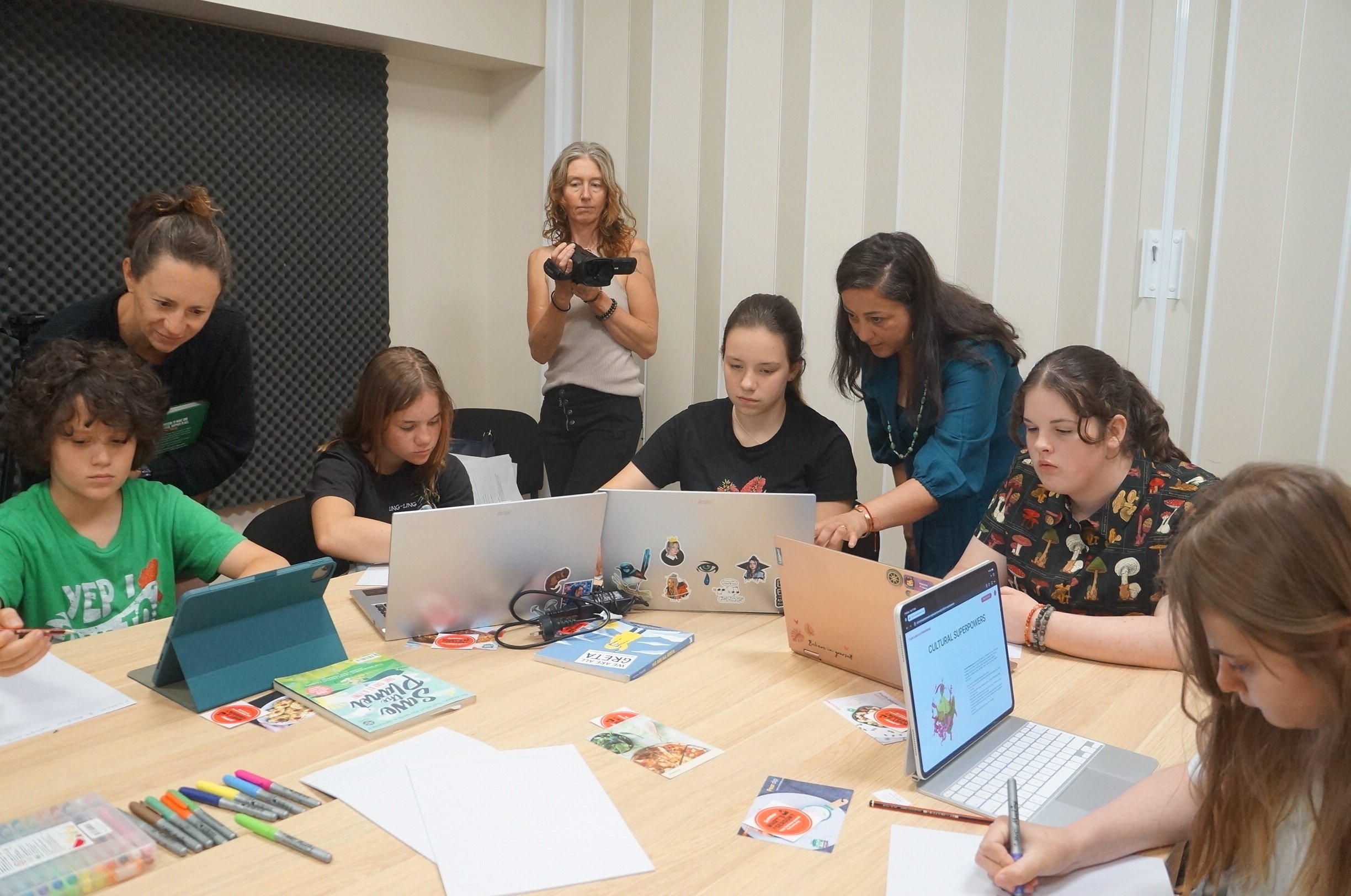
Mentoring & Education
Turn knowledge into action.
MALVA’s Projects
Strategy + people + action
We're not here to follow trends—we're here to build something timeless. With a blend of creativity, strategy, and heart, we help ideas come to life.

Why organisations work with MALVA
Practical, not performative.
We focus on solutions that can work within real communities.
Collaborative by design.
We work with people rather than designing solutions in isolation.
Systems thinking.
We look beyond individual actions to understand the systems, behaviours and relationships.
Built for action.
From strategy and planning through to facilitation and delivery, we help turn ideas into projects.
Confidentiality is a cornerstone of this trust and a fundamental part of our services.
Every year, MALVA gives back.
Annual Pro Bono Offer
Each year, MALVA dedicates a portion of our time and expertise to support projects that create genuine impact in communities and help build more sustainable ways of living as pro bono, or not cost.
We are looking for projects that demonstrate a clear community benefit, support underserved communities, and have the potential to create meaningful and lasting positive change.
We invite you to share your details below for consideration in this year’s pool.
Thank you for the work you do in your community — and for giving us the opportunity to contribute.
Good sustainability starts with collaboration.
-

The most effective solutions are rarely created in isolation.
-
MALVA works alongside organisations, communities and stakeholders.
-
Connected beyond Tasmania. Interstate and internationally.