
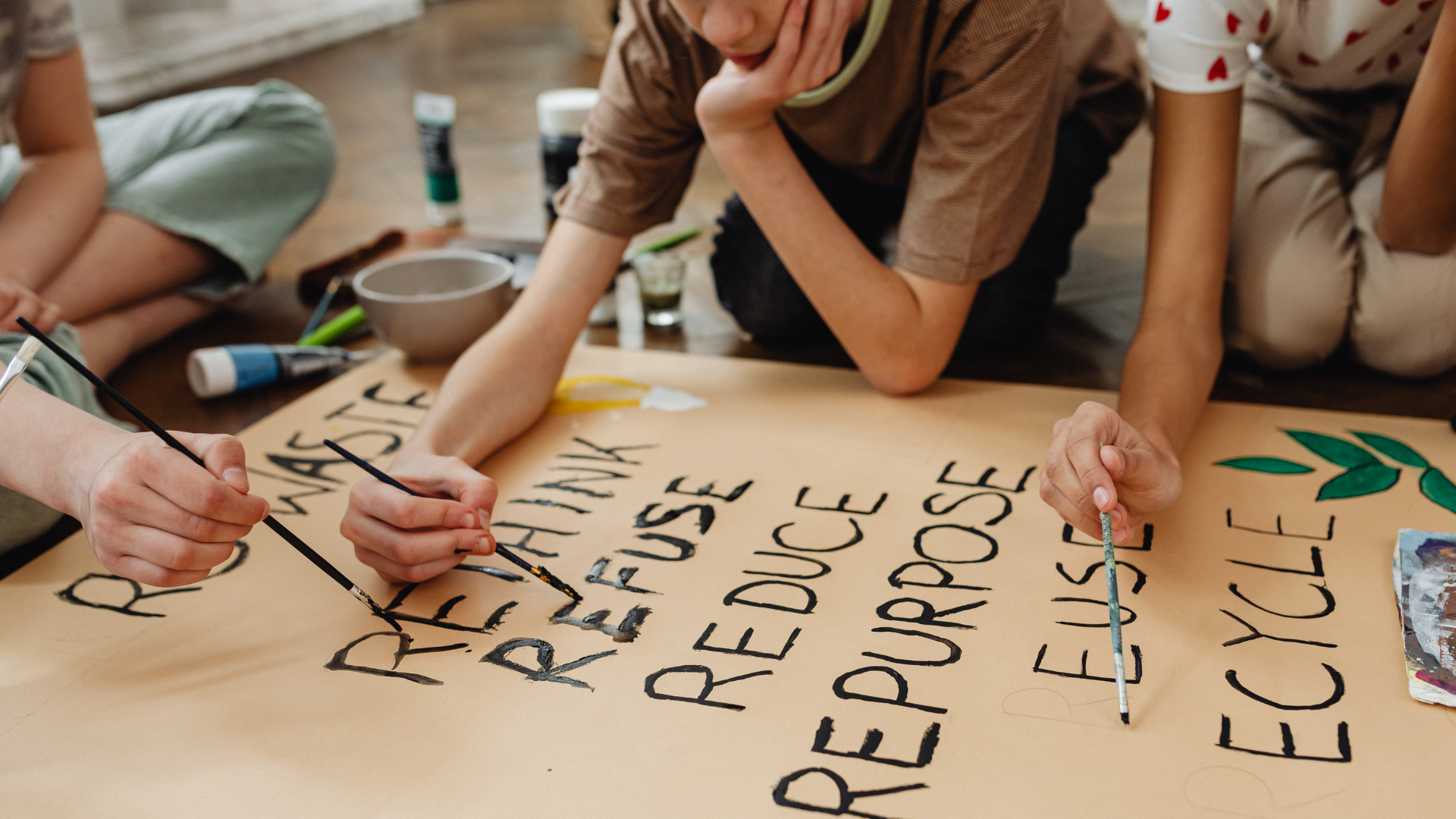
Where circular thinking creates low-waste living and resilient communities.

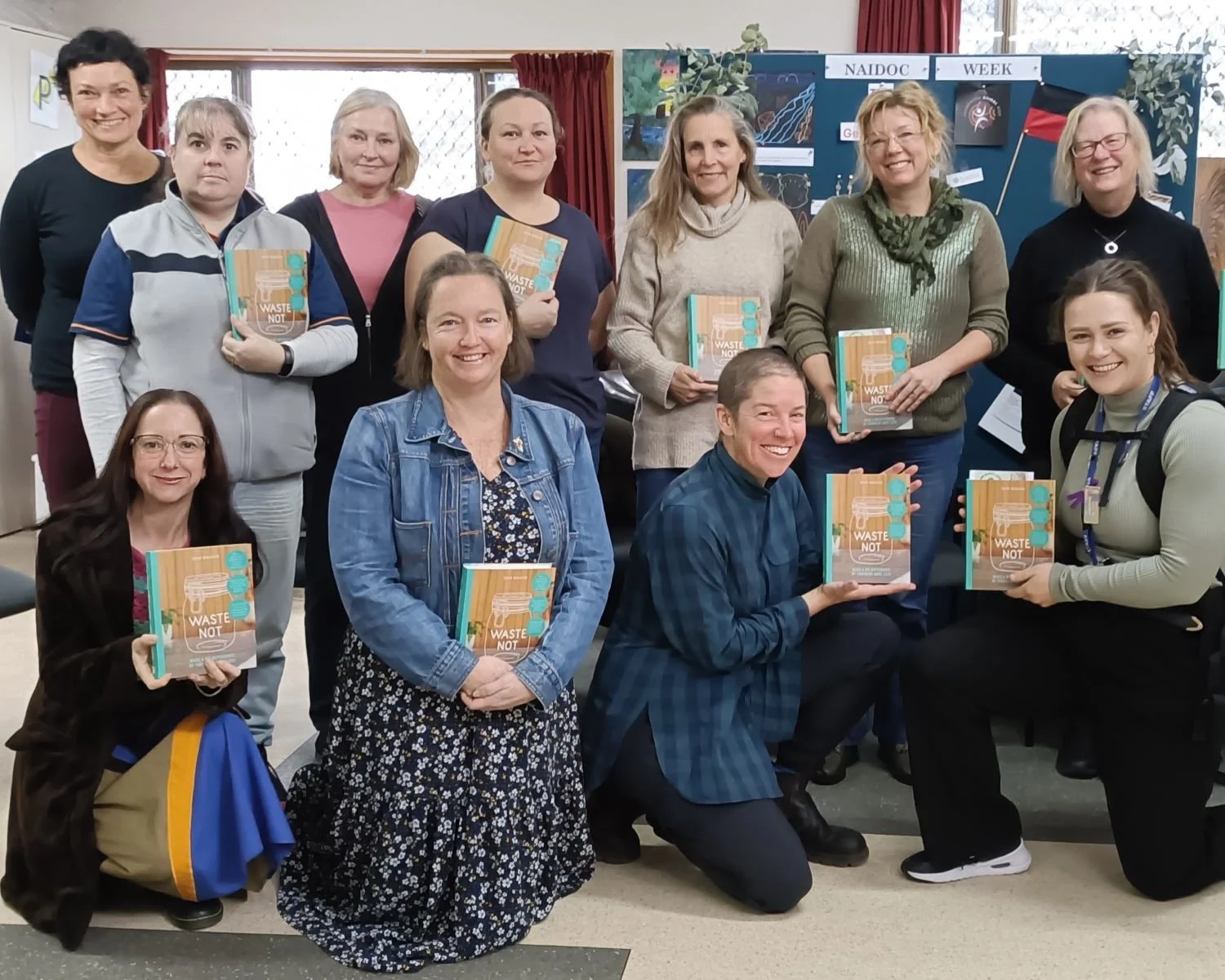
MALVA has empowered and inspired hundreds of Tasmanians to adopt sustainable living and minimise waste through circular economy solutions and education.
-
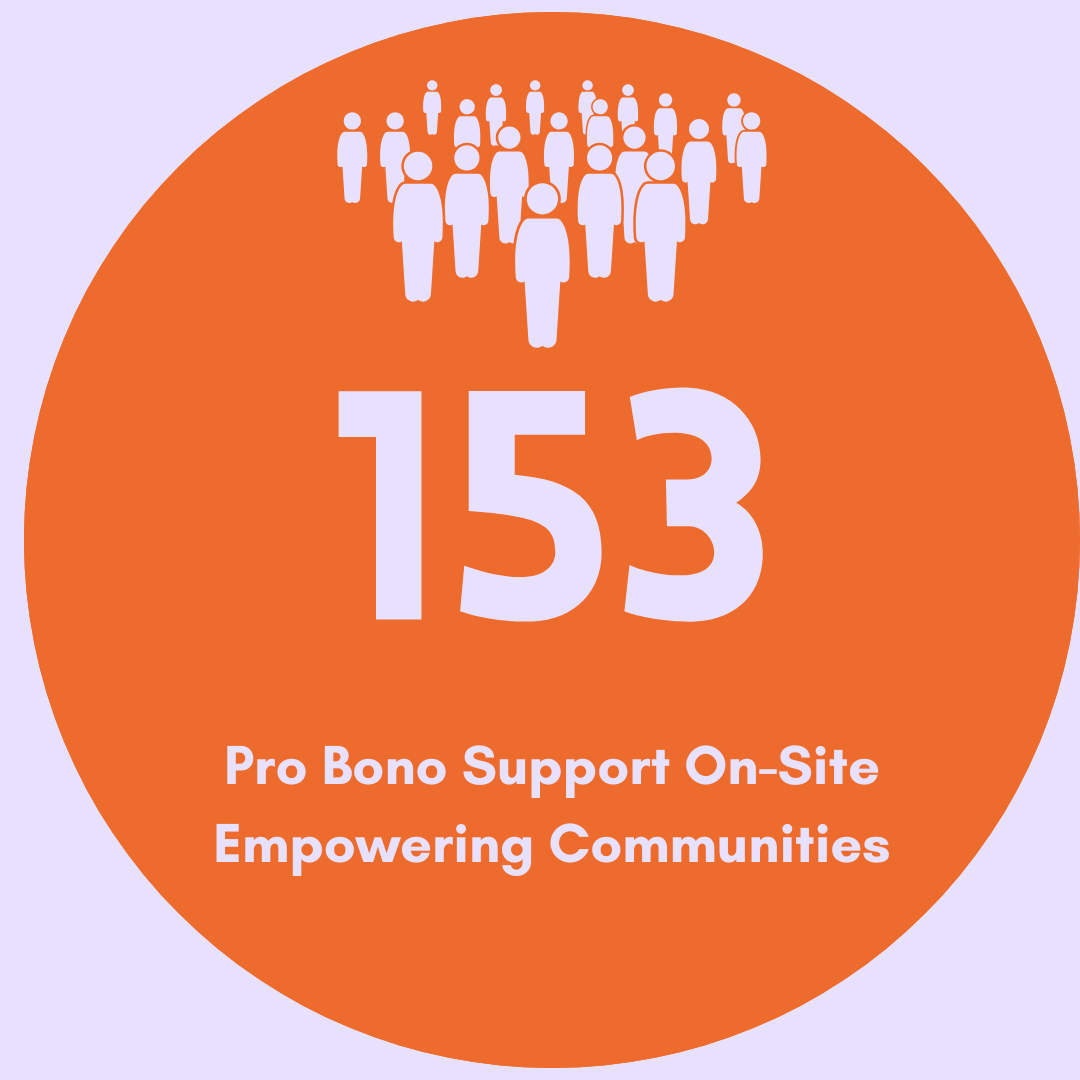
PEOPLE
Active participation in sustainability initiatives empowers communities.
-
PLANET
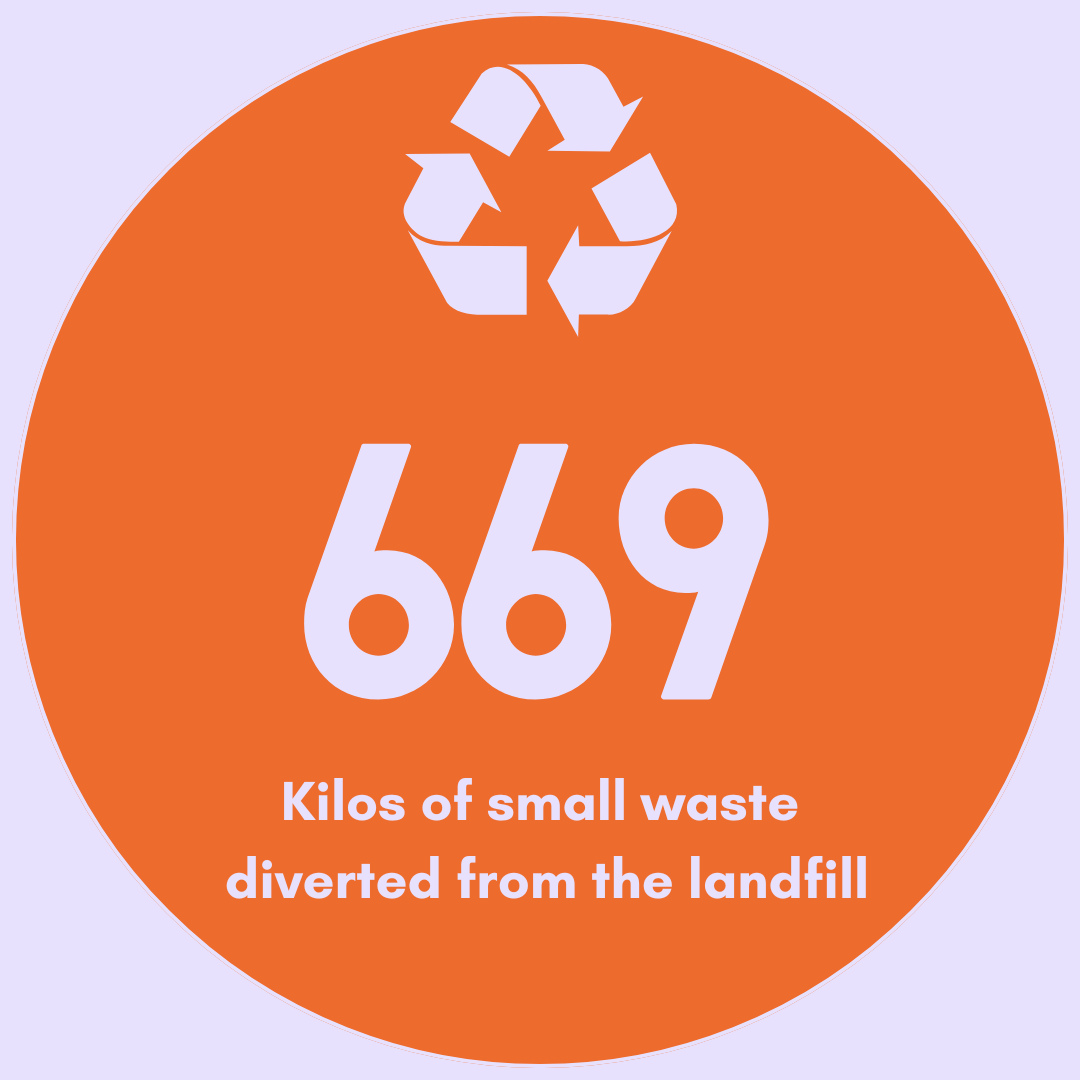
669 Kilos of small waste diverted from landfills reduces environmental degradation.
-
PROSPERITY
We thrive when we have more educated individuals caring for our planet.
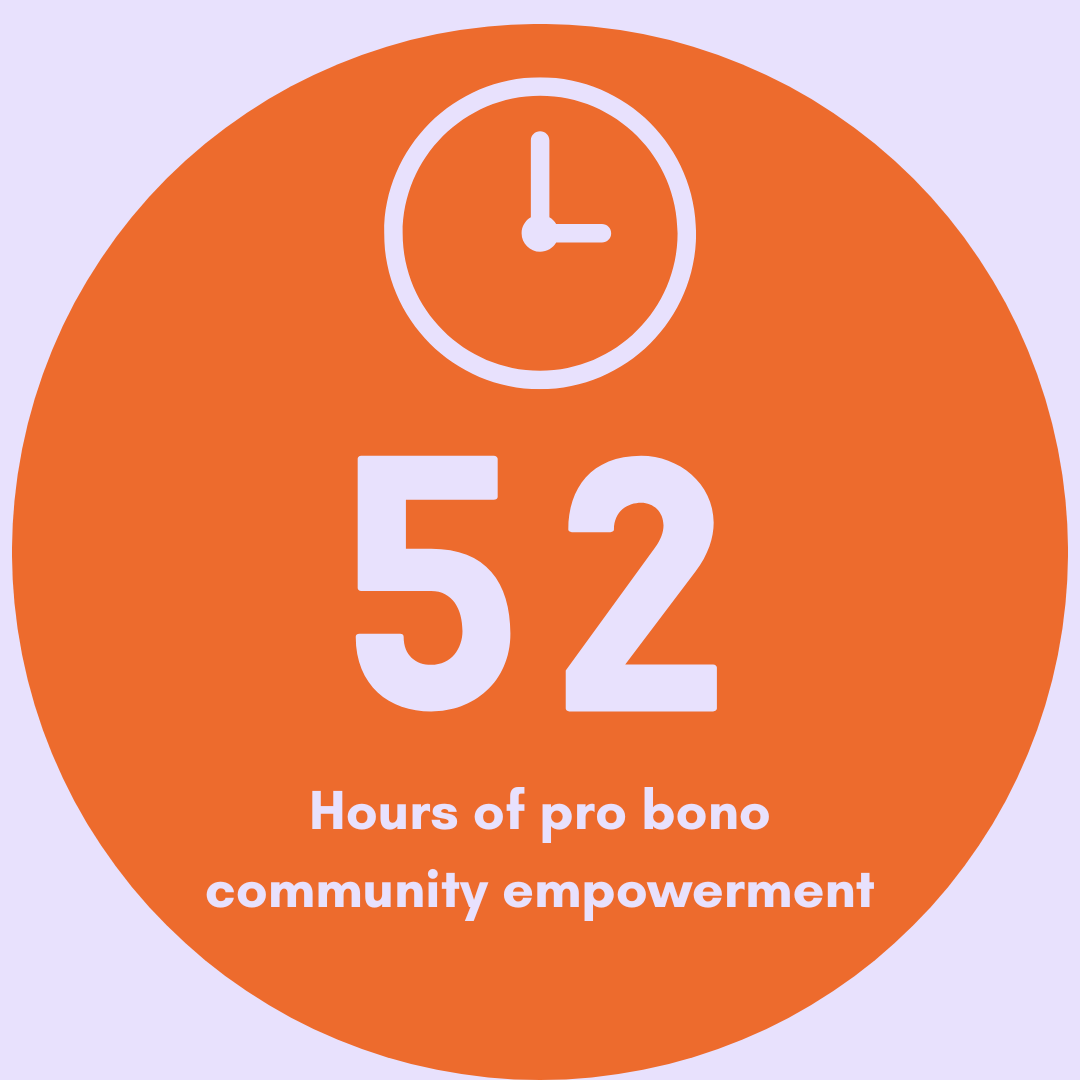
$6,750 AUD (value) has been donated as pro bono to reduce waste, reflecting Malva’s inspiring positive impact in the Tasmanian community.
Real Impact.
Real Impact.
What We Offer
-

Advisory
We partner with your organisation to accelerate and deliver sustainable goals.
-

Workshops & Talks
We co-design and deliver purpose-driven activities in person for youth and adults.
-

Brand Ambassador
We offer the best customer service and report back with insight for improvement.
Collaboration is the key of our success
-
-
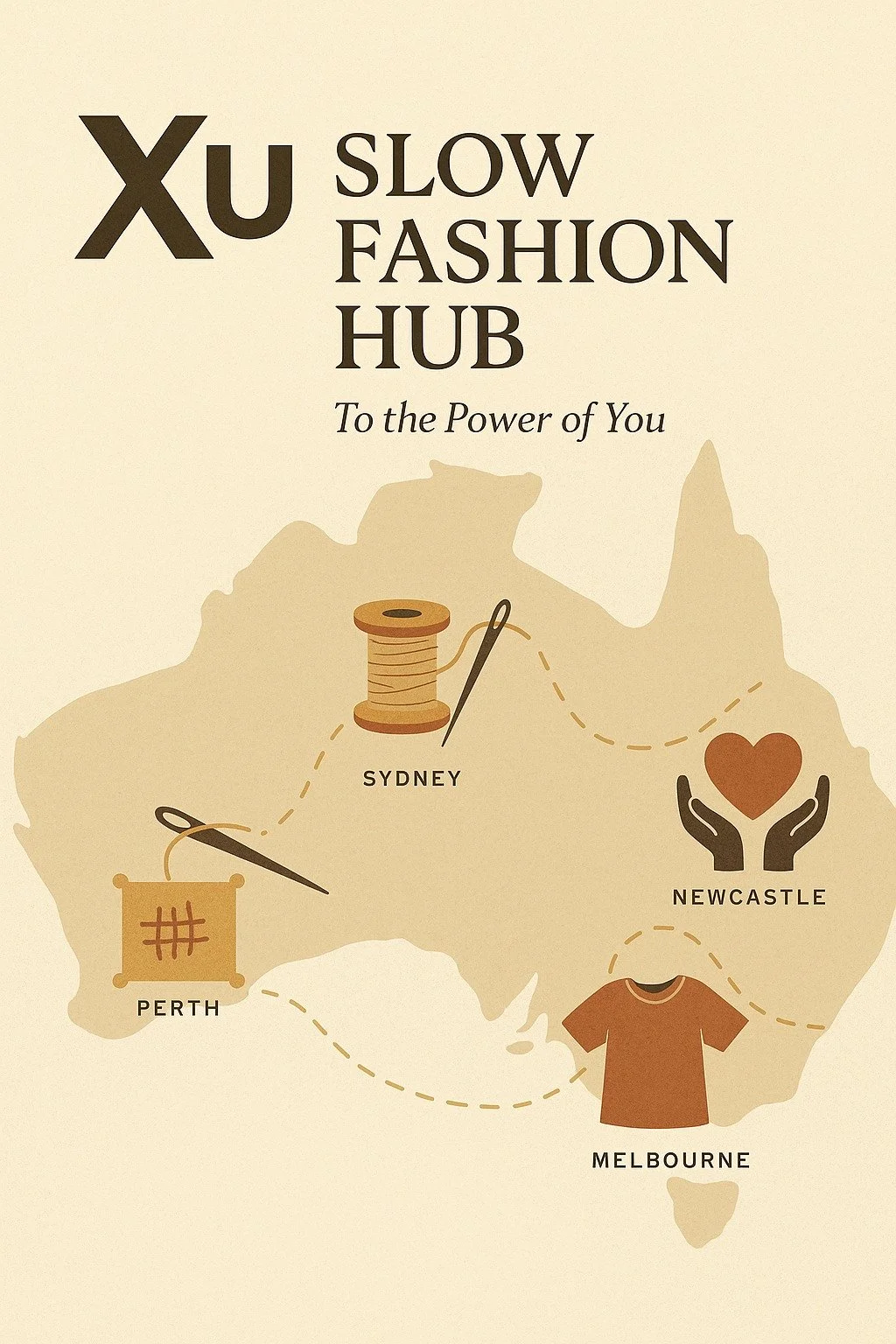
Interstate
We collaborate writing powerful articles about fashion waste and solutions. We are shaping Australian circular clothing culture.
Our Roadmap
THE CIRCULAR ECONOMY AND THE POWER OF THE 7RS

What benefits can sustainability engagement bring?
Community awareness of sustainability issues is a crucial step towards building ESG metrics and a more environmentally conscious and resilient future, which will improve quality of life, resilience, economic benefits, social equity, environmental stewardship, and community empowerment.
Maximise your efficiency by outsourcing your sustainability efforts to MALVA.
We understand that implementing sustainability can be resource-intensive. Our B2B (business-to-business) services are designed for organisations of any size.
By choosing our subcontracting model, your organisation can make sustainability actionable for communities, improve your ESG social impact reporting, and support communities at a disadvantage.

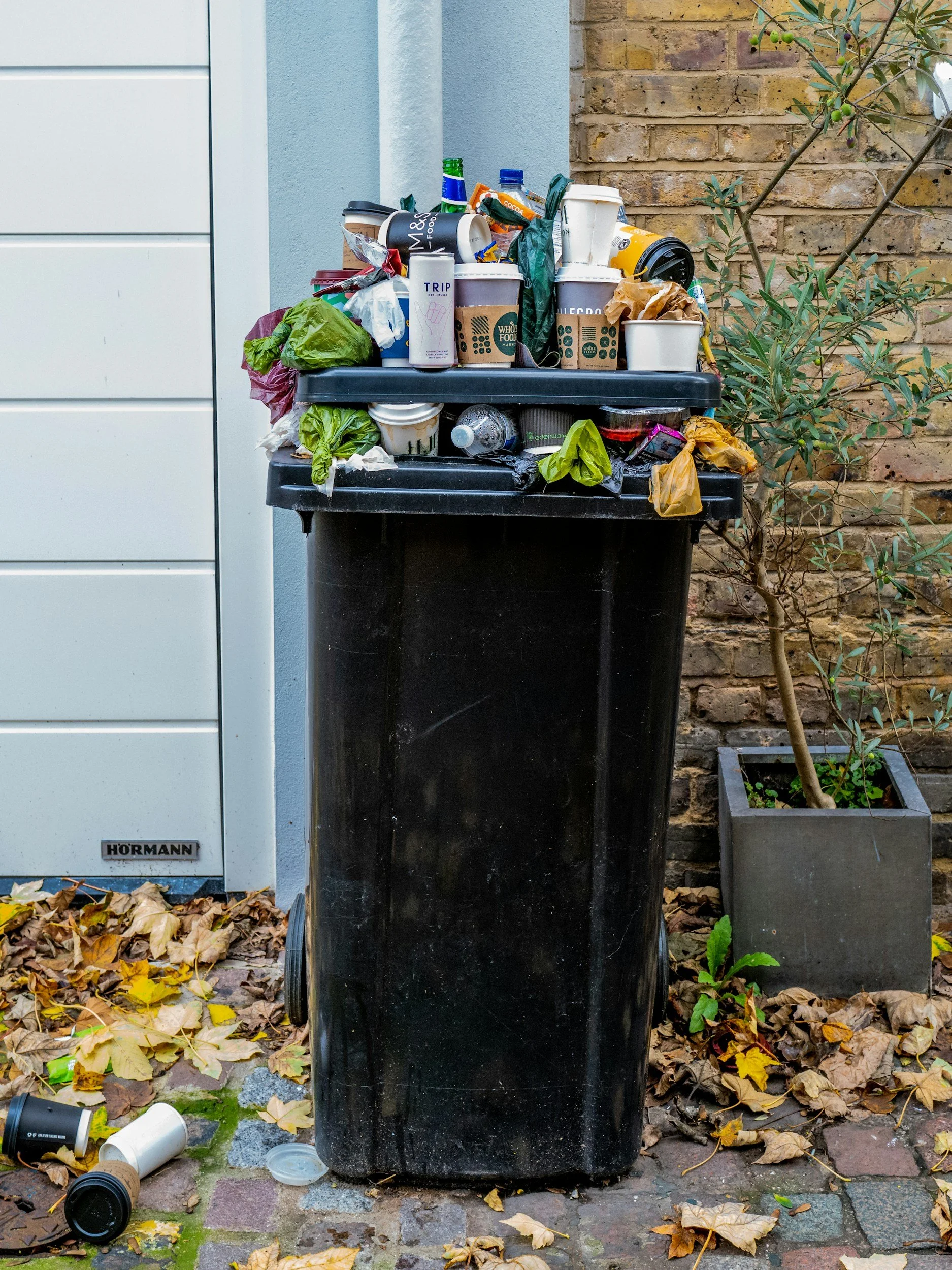
What is Circular Thinking?
Circular thinking is a way of designing, making, and using things so that nothing is wasted and resources keep circulating at their highest value for as long as possible.
Instead of the traditional linear model
take → make → use → dispose,
circular thinking asks:
How can this be designed, used, repaired, shared, or reused so it never becomes waste?